
Learner Expectations for Online Courses (and How to Surpass Them)

Nowadays, all generations of learners are coming together to explore online education! Many learners today are from Generation Y or Generation Z, meaning they’ve grown up with the internet and have access to it in school. Older learners are also becoming more technologically literate, as you may have noticed when your grandmother uses Facebook!
Here at Klatch, we want you to find the best ways to meet your online learners’ virtual learning expectations. Therefore, we have included critical points you can use to reference when creating your online workshop!

Smooth Technology
By 2022, most of us will have adequate experience with remote work or class. That means eLearning that hasn’t been thoroughly developed, tested, and re-tested will stand out like a sore thumb. Try to make sure that technological blunders like these won’t disrupt your workshops:
- Unstable wifi: this is a standard error yet comes off as highly unprofessional
- Lost work: remember to save and turn on autosave if possible!
It is crucial to explain tech glitches to make your students believe that the issue was not intentional or caused by poor programming. If you cannot do this, they may not view your courses as professional or credible.
Is this your first time facilitating an online workshop? Visit How to Facilitate Online Workshop Discussion: Top Tips for Group Facilitation
No monthly fees. Join hundreds of talented facilitators.
Collaboration and Community
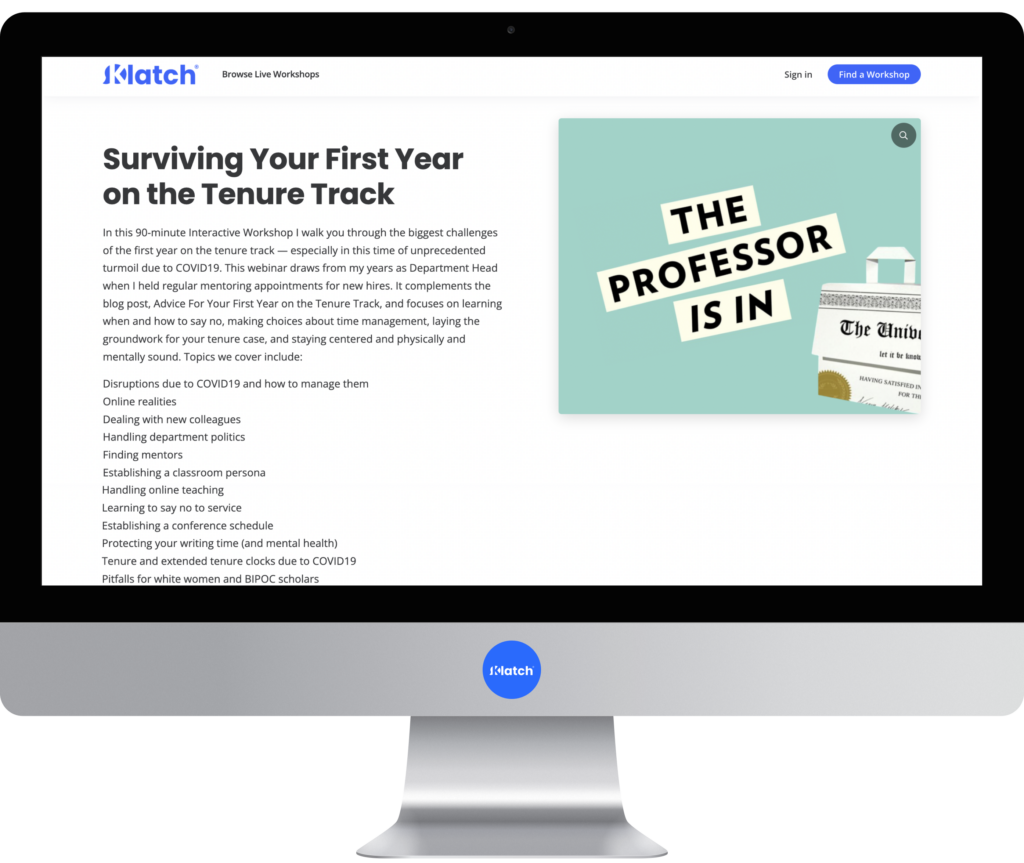
Most people believe that their colleagues, friends, and family teach them more than experts. There is evidence that collaboration can be a great way of fostering learning, but this does not always translate into corporate training. It’s important to make collective knowledge more available in learning programs, encourage social interaction, and include flexible, collaborative elements to make workshops more enriching for learners. Learners expect from you the opportunity to:
- Interact with you during class and be able to ask questions before and after
- Interact with other learners in the workshop
- Participate in interactive activities during the workshop, such as Q&A, trivia, etc.
Learn more about What is an Online Community and How to Effectively Build Student Cohorts as An Online Course Creator!

Accessibility
Google is an excellent resource for finding information. Still, it’s important to be aware of the “Google reflex” and ensure our eLearning programs, directories, and extra content are easily accessible. We want our learners to access the most up-to-date information to learn efficiently and quickly.
No monthly fees. Join hundreds of talented facilitators.
Applicability
Your learners expect to apply the skills they learn to their life, whether in their personal or professional life. Therefore, we must adopt a results-oriented approach to our workshops so that our learners know how they will be able to benefit from the material. The recent complications in the global scene have only served to exacerbate this issue. Therefore, we must continue to develop strategies that appeal to more intangible motivations like motivation from within oneself or a sense of purpose.
Keep in mind that if your audience is on the younger end, millennials are proud of their work ethic and see it as a way to make the world a better place. If you can show your learners how learning fits into the larger picture of their lives, they will likely commit themselves wholeheartedly to your program. Learners should:
- Know how to apply skills learned during workshops in real life
- Be able to use those skills without further aid
- Feel good about applying the skills

Personability
Consumers expect more personalized products from businesses, and this is especially true on the internet. It’s good to encourage learners to reflect on their learning styles and let facilitators know how to best support their needs.
When designing eLearning, it is crucial to take into account the individual learner’s needs and abilities to create an engaging experience. This approach maximizes the learner’s responsibility for learning and makes the environment more centered around their needs.
Most eLearning courses are too standardized and do not take into account the diversity between learners. This makes it harder for learners to feel like individuals and find their purpose and goals for learning. Suppose eLearning courses focus on the diversity between learners, take into account how they learn best, their feelings and desires, and create an atmosphere that respects each learner. In that case, the learner will be more successful in completing the course.
No monthly fees. Join hundreds of talented facilitators.
What is Klatch?
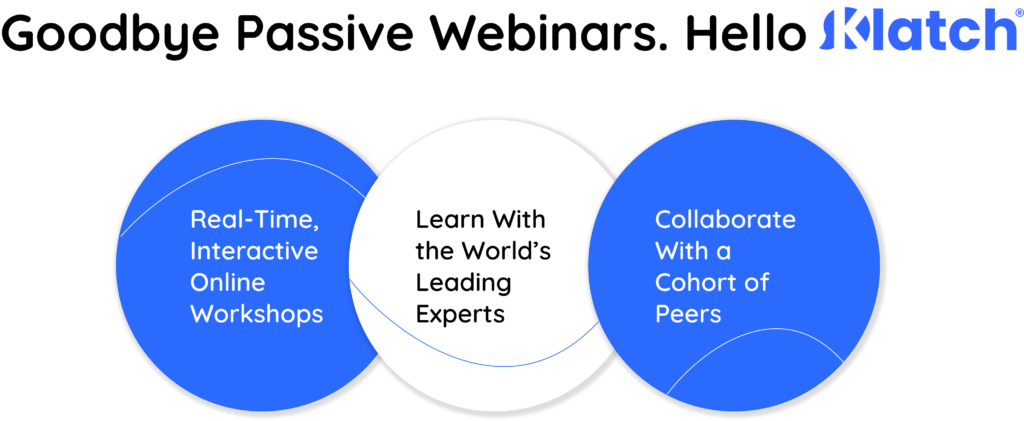
Klatch is a first-of-its-kind all-in-one social learning platform for live, hands-on, virtual workshops across every topic – from hobbies to professional development. Say goodbye to pre-recorded lectures and passive webinars; say hello to real-time, group-based learning. The Klatch platform enables experts to launch a workshop in minutes and provides the tools to unify their communities, grow their audience, and monetize their expertise. Apply to join the Klatch Facilitator community here or browse featured workshops here.